Summer motorcycle gloves in Morocco: top 3 for riding safely in the heat
Riding without gloves in Morocco is a mistake. A real one.
At low speed, it's manageable. But as soon as the pace picks up, between the melting asphalt on the Ourika road and the hot wind drying your skin, your hands get tired fast. Very fast.
And in case of a fall? No protection. None.
On our rides, we still see too many riders neglect this point. Yet a good pair of summer gloves changes everything: comfort, precision, safety.
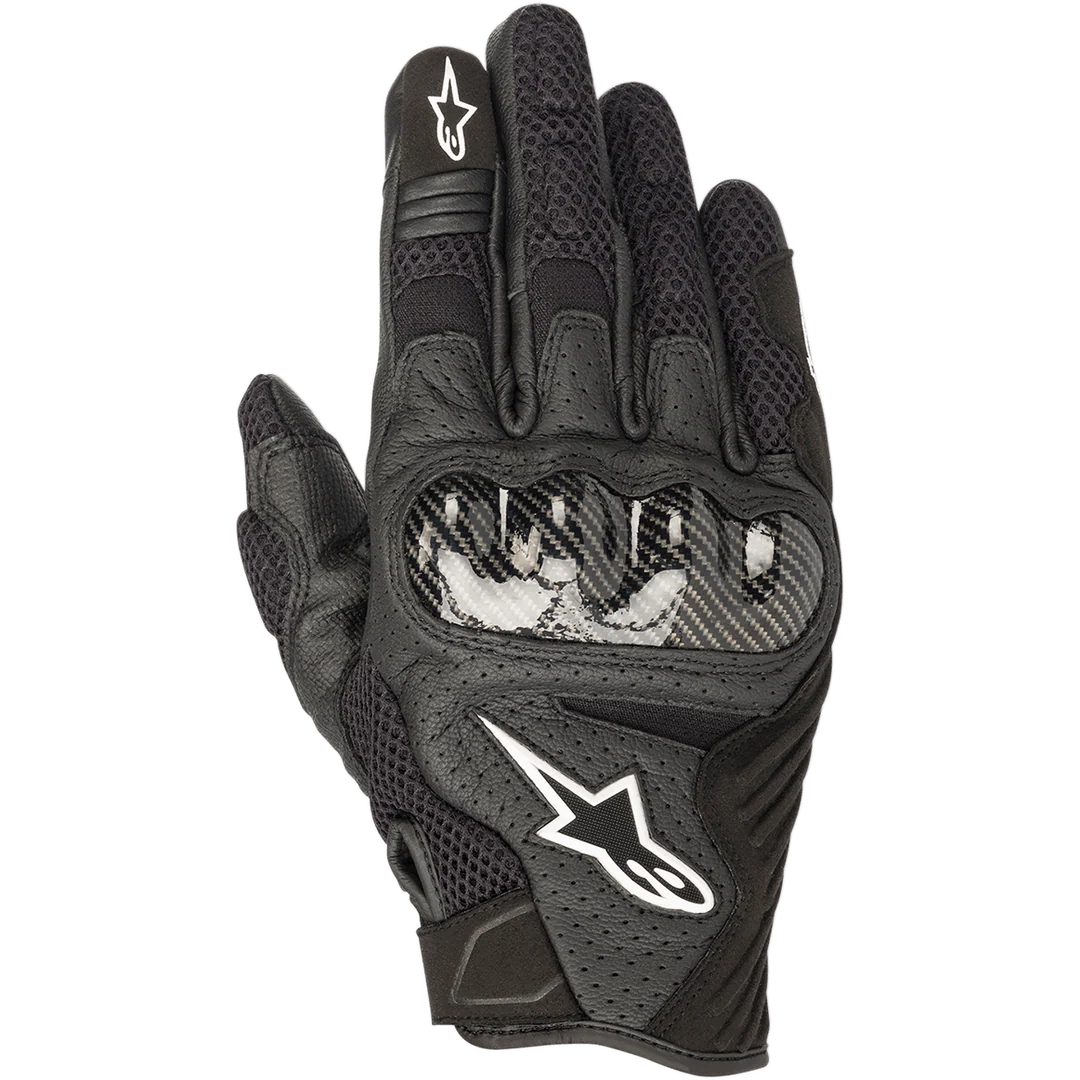
1. Alpinestars SMX-1 Air V2 — The classic that delivers
A classic. And not by chance.
This glove is built for heat. Well-placed mesh. Perforated zones. Air flows through. Really. Lever feel is precise. No looseness. Good grip.
Pros and cons
What we like:
- Effective ventilation even in city traffic
- Rigid knuckle protection
- Excellent balance between comfort and safety
What we don't like:
- Slightly short cuff — we'd prefer more wrist coverage
Perfect for lane splitting in Casablanca at 40°C, where many gloves become unbearable.
→ Check the Alpinestars SMX-1 Air V2 and available sizes
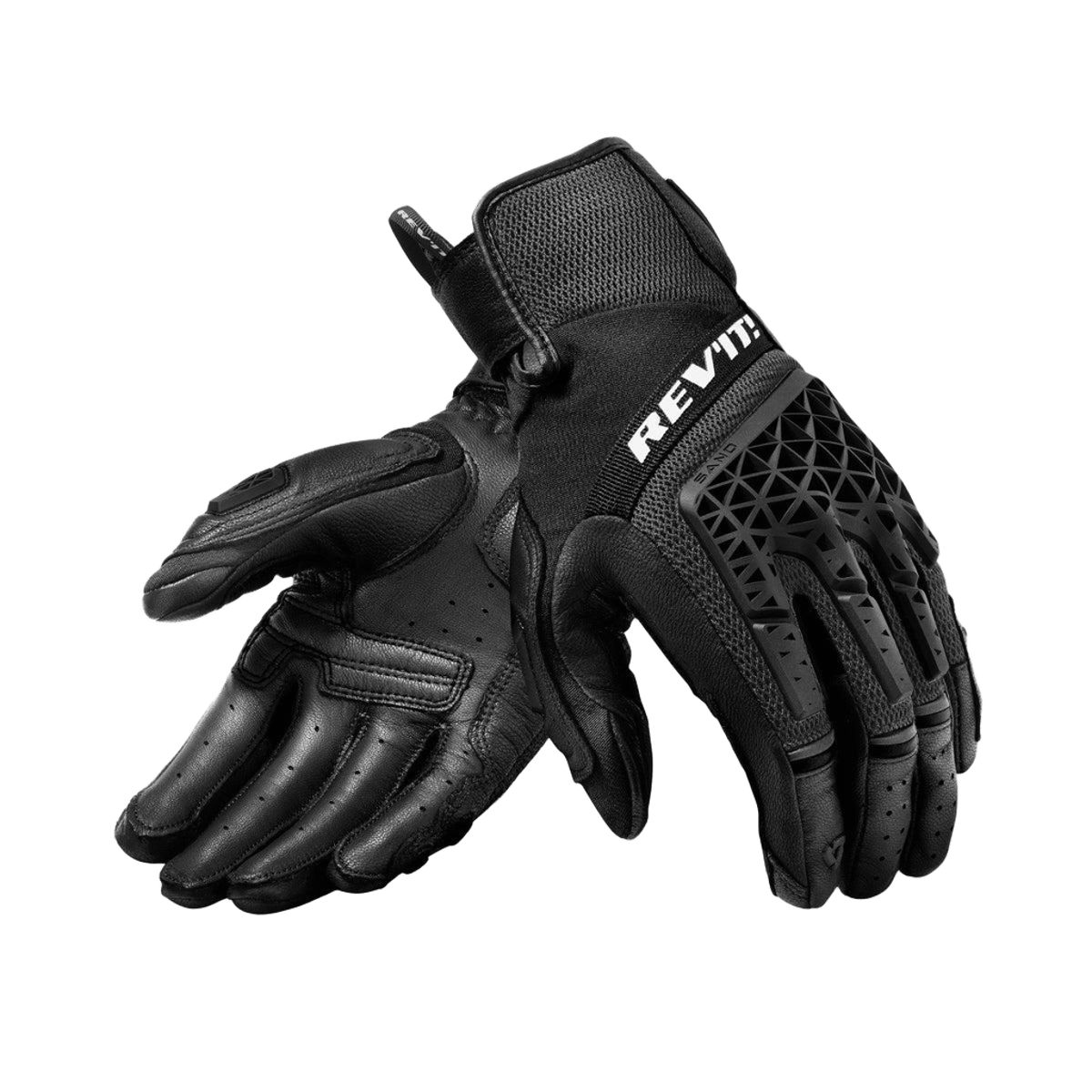
2. Rev'it Tornado 3 — When protection gets serious
A step up.
The Tornado 3 shows what happens when Rev'it refuses to compromise on ventilation without sacrificing protection. Full mesh construction, TPU reinforcements on joints, KP2 certification — all in a glove that stays light and comfortable even when temperatures exceed 42°C on the Marrakech roads.
On long-distance rides, the difference is clear. Hands stay cool, support is excellent, and controls remain precise from start to finish.
Pros and cons
What we like:
- Serious protection without overheating
- Excellent support on long rides
- KP2 certification
What we don't like:
- The price — but it's justified
Ideal when covering long distances towards the South, where fine sand gets everywhere and conditions become more demanding.
→ Discover the Rev'it Tornado 3
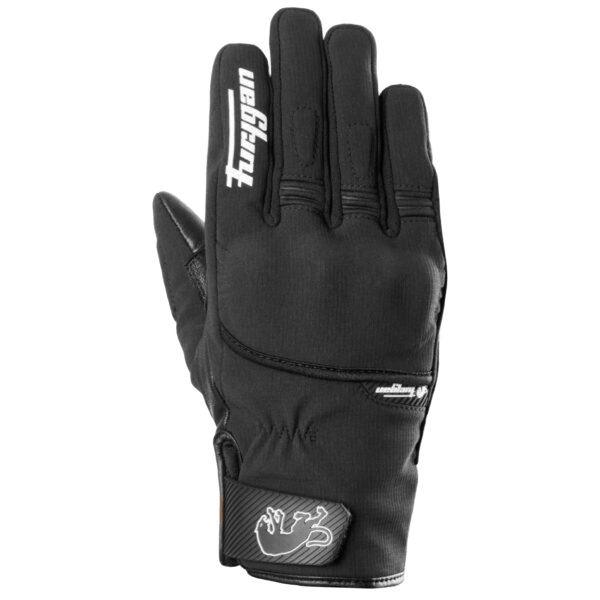
3. Furygan Jet All Seasons — The accessible option that delivers
More affordable. But not low-end.
Furygan offers a simple, efficient glove with no unnecessary extras. And above all, breathable. Less technical than the others, but more than sufficient for most urban use or weekend rides.
What really stands out is the lightness. You put it on and almost forget it. Immediate comfort, and hard to beat in terms of value for money in this category. Protection remains decent for normal use, even if it's not meant for aggressive riding or mountain roads at high speed.
Pros and cons
What we like:
- Excellent value for money
- Immediate comfort and lightweight feel
- Ideal for beginners or occasional use
Honestly, for the price of a full tank, it's hard to ask for more in city riding. Durability under heavy daily use is its main weakness — but for two or three rides per week, it holds up just fine.
→ Check the Furygan Jet All Seasons
What really matters before buying
Don't be fooled by design.
Focus on airflow, knuckle protection, certification (KP1 minimum, KP2 if you ride fast), and wrist support.
A glove that's too tight restricts circulation. Too loose, and you lose control precision. On the road, that matters.
Finding the right size: two minutes to avoid a bad choice
This is the step most riders skip. And yet, a poorly fitted glove is worse than no glove at all — guaranteed discomfort and poor control.
Simple method: use a tape measure and measure the circumference of your hand around the knuckles, just below the fingers, excluding the thumb. Then measure the length from the base of your palm to the tip of your middle finger.
Generally, European brands like Alpinestars or Rev'it follow standard sizing. But be careful: an M in Furygan may correspond to an L in other brands. Always check the size guide specific to each model before ordering. And if you're between sizes, go for the larger one — better slightly loose than compressed fingers after an hour of riding.
Maintenance in Morocco: what no one tells you
Heat is not the only problem. Sweat isn't either.
It's salt.
It seeps into seams, stiffens leather or textile, and damages the glove from the inside long before visible wear appears. After each ride: let them air dry, never under direct sunlight, and regularly clean the inside with a slightly damp cloth.
Poorly maintained gloves lose their performance within months. Even the best ones.
The right choice is the one you will actually wear
In Morocco, summer gloves are not an accessory. They're a tool.
Well chosen, they improve comfort, control, and safety. Poorly chosen — or left unused because it's too hot — they're useless.
So you might as well get it right from the start.